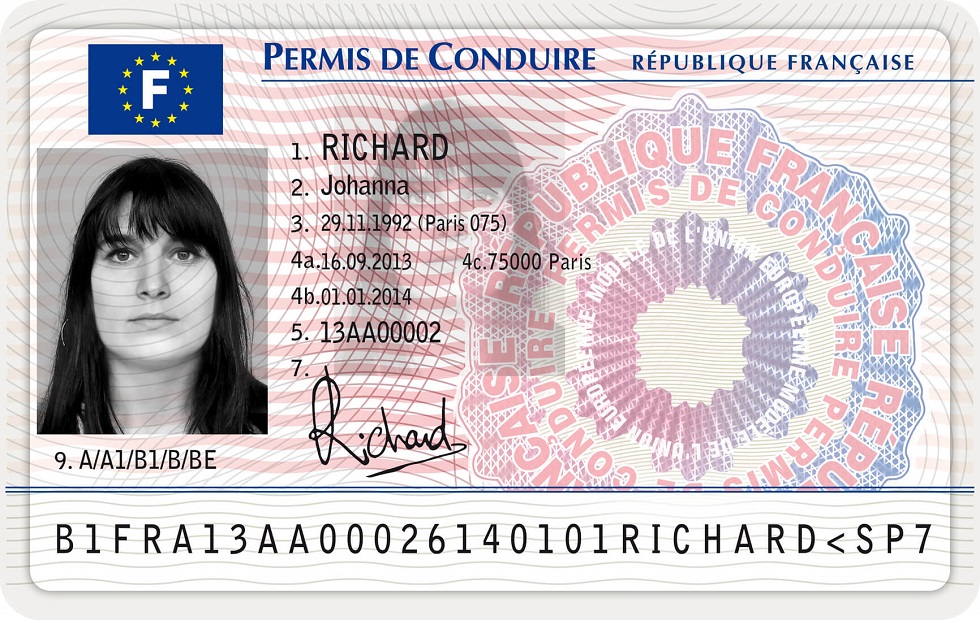
Why Buy Driver's License With Bitcoin Is The Right Choice For You?
Buying a Driver's License with Bitcoin: A Deep Dive into Digital Transactions
The world of cryptocurrency has actually progressed significantly for many years, and Bitcoin remains at the leading edge, frequently being perceived as an advanced form of currency. As a decentralized digital currency, Bitcoin permits peer-to-peer transactions without the requirement for intermediaries like banks. This has triggered interesting conversations concerning its applicability in various sectors, consisting of motorist's licensing. The prospect of buying a motorist's license with Bitcoin raises awareness of the crossway in between innovation, monetary innovations, and the legal systems that govern them.
The Growing Trend of Digital Transactions
Cryptocurrency Overview
Bitcoin was introduced in 2009 by a confidential entity known as Satoshi Nakamoto. Ever since, it has led the way for countless cryptocurrencies, collectively called “altcoins.” The benefits of using Bitcoin consist of:
- Decentralization: No single entity controls the currency, in theory decreasing dangers connected with inflation or governmental adjustments.
- Security: Transactions are secured by means of cryptography, making it harder for fraud or unauthorized access to occur.
- Global Reach: Bitcoin can be used throughout borders without the need for currency conversion or extreme costs.
Provided these attributes, the possibility of buying a chauffeur's license using Bitcoin intrigues numerous.
Why Consider Bitcoin for Legal Transactions?
The convenience and efficiency of cryptocurrency transactions interest a range of customers, specifically in legal matters where credibility and verification can be prolonged processes. While the idea of acquiring a driver's license with Bitcoin raises eyebrows, examining the subtleties exposes both pros and cons.
Checking out the Legality and Risks
Legal Implications
The legality of purchasing a driver's license with Bitcoin is laden with problems:
Validity: Most states and jurisdictions do not recognize Bitcoin or other cryptocurrencies as valid currency for deal purposes. Main government files, including driver's licenses, generally necessitate payment in standard currencies.
Fraud Risks: The danger of identity theft, scams, and fraudulent deals increases in lightweight regulatory environments.
Regulative Decisions: As governmental bodies continue to come to grips with the ramifications of cryptocurrencies, laws might alter, making the future unsure.
Risks Involved
The proposal of buying a chauffeur's license through Bitcoin raises numerous concerns:
Authentication: It's intricate to make sure that the transaction is genuine which the consumer isn't devoting fraud.
Delivery: There's an absence of clearness on how such transactions would be processed and provided.
Possible Punishments: Engaging in unlawful activities to procure a motorist's license can cause severe legal effects.
The Evolution of Verification
Blockchain as a Solution
Blockchain innovation— the underlying structure of cryptocurrencies like Bitcoin— offers services in validating identities and documents. Through a decentralized and transparent ledger, the prospective exists for ingenious systems to verify qualifications at minimal costs and timeframes.
Immutability: Once a deal has actually been tape-recorded, it can not be modified without agreement from the network, guaranteeing that the info remains precise.
Traceability: Each transaction is logged, making it possible to trace back and confirm deals without jeopardizing privacy.
Through such improvements, the way we view service transactions— even those involving government-issued files— might basically alter.
Future Implications
The conversation surrounding the purchase of chauffeur's licenses with Bitcoin could stir advancements in governmental policy and cryptocurrency regulations. As cryptocurrency use continues to grow, so does the necessity for harmonizing these innovations with standard regulatory frameworks.
Pros and Cons of Using Bitcoin for Driver's Licenses
To much better understand the benefits and disadvantages, here's a summary table:
Pros
Cons
Increased speed of deals
Lack of legal recognition
Elimination of intermediaries
High risk of frauds and scams
Improved privacy and anonymity
Uncertain authentication processes
International accessibility
Possibly extreme legal repercussions
Frequently Asked Questions (FAQs)
1. Is it legal to buy a driver's license with Bitcoin?
Usually, it is prohibited in most jurisdictions to purchase a motorist's license utilizing Bitcoin. Buy Driver's License With Credit Card are suggested.
2. How can blockchain technology enhance the verification of motorist's licenses?
Blockchain can offer an immutable and transparent ledger for tracking and validating driver's licenses, hence lowering fraud while allowing quick verification.
3. What are the threats of purchasing a driver's license through informal channels?
Buying a chauffeur's license through unofficial channels can result in extreme legal effects, consisting of charges of fraud.
4. Are there any jurisdictions that accept Bitcoin for legal transactions?
While some jurisdictions might accept Bitcoin for particular deals, buying government-issued files like chauffeur's licenses remains extremely controlled and usually requires conventional currencies.
The proposal of purchasing a motorist's license with Bitcoin highlights the continuous shift towards digital transactions and the complicated interaction in between development, legality, and ethics. While blockchain technology offers groundbreaking services for verification and security, the legal implications of such deals should be thoroughly browsed. Till clearer regulations emerge, customers must weigh the risks associated with such transactions while considering the future of cryptocurrency as a legitimate type of currency.
The looming concern remains: will the development of innovation improve our understanding of authenticity and legality, paving the method for new methods to browse our legal systems utilizing cryptocurrency? Just time will tell.